
Do You Need a Residential Roofing Upgrade Before Rainy Season?
Mid-spring in Ottawa brings fast changes in both weather and roof conditions. The freeze-thaw cycle finally starts to let go, and warmer rain begins to take over. That mix often stirs up problems that were hidden through the winter. For many homeowners, it’s the first time they notice water spots, sagging gutters, or missing shingles. It’s also when older residential roofing begins to show its age.
Once the snow is gone, smaller signs of wear become easier to see. When those warnings show up early, it usually means it’s time to think about a refresh or full replacement before the rainy season really gets going. We’ve seen how a well-timed upgrade can make a big difference once spring rain starts to fall harder and more often. With the weather warming, it’s easier and safer to inspect your roof for issues that might not have been obvious during snowy months. Taking advantage of this change in season makes it more practical to spot minor damage before it becomes a bigger problem. That’s why spring is such an important transition period for homeowners in Ottawa, especially those concerned about the condition of their roofs.
Common Signs Your Roof May Need Attention
After a long winter, it’s quite common for warning signs to show up just as the snow clears. Some are easy to spot from the ground, while others need a closer look. These are a few signs we often notice early in spring:
- Water stains or wet spots starting to show along ceilings or upper walls
- Curling, cracked, or missing shingles after rough snow and wind
- Gutters pulling away from the house or showing signs of sagging and overflow
These issues might seem minor, but even one or two can be a sign that the roof is nearing the end of its service life. The sooner they’re noticed, the easier it is to plan repairs or upgrades before costly problems show up. Sometimes, the warning signs can be subtle, maybe a shingle that looks different from the rest, or a faint brown patch on the ceiling you hadn’t noticed before. Paying close attention now can help catch trouble before it grows. Noticing changes to your attic or upper rooms is also smart. If there’s a new draft, musty smell, or even a bit of daylight where there wasn’t before, it could be a sign that your roofing system is no longer sealed properly.
How the Shift to Rain Impacts an Aging Roof
Snow builds up slowly and melts in stages. Rain does not behave the same way. Once April hits, rainfall starts coming harder and faster. That puts more pressure on parts of the roof that may already be worn out.
Older roofing often has weak points tucked under shingles or around vents and seams. Snow tends to cover those up without stressing them too much. But when rain replaces snow, water pushes into those gaps quickly.
- Heavy rain moves fast and looks for cracks or loosened flashing
- Pooled water builds up in shallow dips and soft spots
- Interior leaks often start once these problem areas are exposed
If the roof isn’t sealed well enough anymore, all that fast-moving rain starts finding its way inside. That’s when small repairs become much bigger jobs. This shift from cold, slow-melting snow to active rainfall makes it easier for even small weaknesses to turn into significant leaks. Rainwater spreads faster, which means that entry points like missing shingles, cracked flashing, or compromised gutters quickly go from being a small hiccup to a real problem. By the time you notice a watermark or drop of water, the real issue might already be serious.
Older roofs are especially at risk since their shingles and other materials have likely seen years of freeze and thaw already. Weak points such as popped nails, loose flashing, or even tiny gaps in sealant can result in bigger leaks, often without warning. Over time, spring storms put extra strain on those weak links, which makes early detection all the more important.
Why Spring Is a Smart Time to Upgrade
Spring offers a short window that makes it easier to stay ahead of serious roof damage. In places like Ottawa, early spring brings above-zero days and fewer deep freezes. It’s one of the smoother times to get roofing work done safely and properly.
Here’s why we recommend timing upgrades in spring rather than waiting:
- The worst of the snow has passed, and summer heat hasn’t started yet
- Roofing materials work better and last longer when installed in mild weather
- Scheduling now avoids the summer rush and emergency calls after heavy storms
Even if leaks haven’t shown up yet, this part of the season lets us take a close look and map out action before rain starts flooding in. Planning ahead avoids the extra stress (and cost) of damage control once the rainy season hits its peak. The moderate temperatures make it easier for both inspections and installations, leading to better quality repairs and fewer weather stoppages. Replacing shingles and sealing up weak spots works best when the weather is neither freezing cold nor baking hot, which helps ensure new materials bond as they should.
Spring upgrades come with another key benefit: the ability to plan at your own pace. Summer often means more emergency calls, longer scheduling times, and higher demand. By tackling upgrades in spring, you avoid last-minute scrambling when the unexpected rainstorm arrives. Plus, most roofing materials last longer when installed in proper spring conditions than in sweltering summer or frosty late fall.
What an Upgrade Could Fix or Prevent
When we talk about upgrading a roof, it’s not always about ripping everything off and starting from scratch. In some cases, it’s about solving hidden problems before they grow. In others, it’s about getting ahead of wear that’s already crept in.
Here’s what the right upgrade this spring could offer:
- A longer-lasting roof with updated underlayments and venting
- Repairs to winter damage like shingle loss or ice-related cracking
- Better rain management with adjustments that stop water from pooling
Making these improvements now means fewer worries year after year. It helps prevent water from finding new ways in once the rain returns in full force. Improvements can also include adding new flashing or protective barriers at trouble spots, rerouting downspouts to ensure water flows safely away from your home’s foundation, or reinforcing problem areas that have experienced issues in the past. Many roofs benefit from new underlayments designed to direct water down and off the roof faster, which is especially helpful in Ottawa’s heavy spring rain.
Even minor fixes like resealing around vents, reattaching loose gutters, or replacing degraded vent boots can extend the life of your existing roof and keep your attic dry. These measures add up, creating a stronger defence against not just seasonal rain, but wind and temperature swings too.
Stay Ahead of Rain Season Trouble
Late April is often the perfect time to take stock of roofing needs. Winter has eased off, and there’s still some breathing room before rain sets in full-time. When we catch warning signs early, we help homeowners avoid last-minute repairs or worse, interior damage that could have been avoided.
Magnum Roofing provides roof inspections, leak repair, and full replacement using quality asphalt shingles from trusted brands like BP, IKO, and CRC, all designed for our Ottawa climate. Our residential roofing services are available year-round, with certified crews focused on timely, reliable upgrades that help you avoid bigger problems as the seasons change. Protect your Ottawa home from costly water damage this season by addressing roofing concerns before they escalate. From small leaks to sagging gutters, Magnum Roof makes sure your roof is ready for whatever weather comes next. Check out our residential roofing options and book your upgrade before the next storm hits.
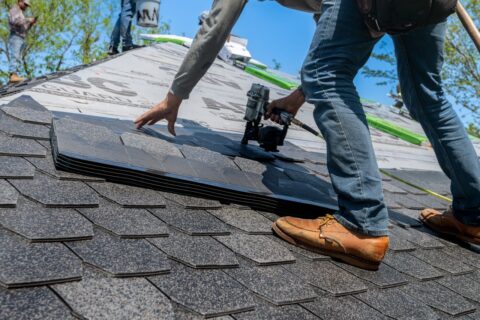
Understanding Roof Replacement Costs in Ottawa
Roof replacement is one of the biggest maintenance projects most Ottawa homeowners will ever plan…
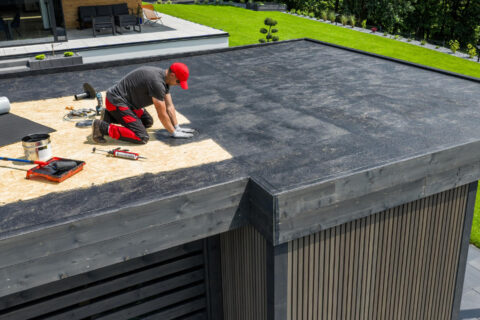
Summer makes things move faster, especially in Ottawa where warm, dry weeks suddenly trigger a rush for repairs and upgrades. Flat roofs are no…