How Ottawa Property Managers Can Vet Commercial Roofers
How Property Managers Should Vet a Commercial Roofing Contractor in Ottawa
Choosing a roofer is a risk-management decision, not just a maintenance task. Before Ottawa’s fall rain, freeze-thaw cycles, snow, and ice raise the stakes, we recommend using a clear process to assess each contractor. A well-run roofing project can protect tenant comfort, building operations, budgets, and the long-term condition of your property.
For commercial roofing in Ottawa, qualified bidders should be ready to provide proof, details, and a clear plan. We suggest comparing each proposal against the same standards, including relevant experience, safety controls, scope clarity, communication, emergency planning, references, and subcontractor oversight.
Match Experience to Your Roof System
Years in business can be useful context, but they do not tell the whole story. We recommend asking whether a contractor has experience with the roof system and conditions at your specific property. A low-slope or flat roof may include drainage components, flashings, penetrations, parapet walls, rooftop units, and areas where water has collected or repairs have been made before.
Ask for examples that closely match your building, rather than relying only on a general project gallery. A contractor who understands an occupied retail plaza may not face the same access, safety, or scheduling issues as one working on an office, warehouse, apartment building, or institutional property.
Comparable work should consider:
- Roof size, layout, and number of roof sections
- The roof system, drainage details, flashings, and penetrations
- Rooftop equipment and access restrictions
- Tenant occupancy and public safety concerns
- Whether the work involved repairs, restoration, replacement, or leak investigation
We also suggest requesting a site-specific assessment before making a final decision. It should identify visible conditions, possible trouble spots, recommended work, and any areas that need further investigation. Clear findings help you avoid approving work based on assumptions that may not hold up once crews access the roof.
Verify Safety, Coverage, and Project Controlsa
A commercial roofer should be prepared to provide current proof of insurance, workplace safety coverage, and any licences or registrations that apply to the work and location. We recommend reviewing these documents before awarding a contract, not after materials arrive on site.
Safety planning deserves the same attention as roofing materials. Roof work can affect workers, tenants, visitors, delivery drivers, and building staff. Ask how the contractor plans to control rooftop access, fall hazards, material movement, debris, and public areas below the work zone. If hot work may be involved, ask about the controls used for that activity as well.
It is also wise to ask how weather affects operations. Ottawa conditions can shift quickly, and a responsible plan should explain when work will pause, how exposed areas will be protected, and who will communicate changes to the property team.
A strong project process should cover more than the installation itself. We encourage property managers to ask about:
- Pre-work planning and site orientation
- On-site supervision and quality checks
- Daily cleanup and debris control
- Reporting of hidden or unexpected conditions
- Final inspection and deficiency tracking
The goal is to understand who is accountable from the first site visit through project closeout. Clear controls help prevent small issues from becoming building-wide disruptions.
Compare Scope and Change Orders Clearly
The lowest proposal is not always the easiest one to manage. When comparing commercial roofing in Ottawa, we recommend using the same scope checklist for every bidder. A lower figure can appear attractive if it leaves out removal work, flashing repairs, drainage details, protection measures, access needs, or disposal responsibilities.
Each proposal should define what roof areas are included and what work will be performed. It should also explain the materials and methods proposed, along with exclusions and assumptions. If one bidder includes repairs around rooftop equipment and another treats them as extra work, those proposals are not directly comparable.
Review the written scope for details such as:
- Roof sections included in the work
- Removal, repair, and replacement responsibilities
- Drainage, flashing, curb, and penetration details
- Access routes, staging areas, and site protection
- Waste removal, cleanup, and final inspection steps
Change orders need equal attention. Roofs can reveal concealed conditions only after work begins, especially around damaged decking, wet insulation, old repairs, or difficult-to-access areas. We recommend establishing a written approval process before the project starts. The process should explain how added work, owner-requested changes, schedule effects, and site discoveries will be documented and approved before work moves ahead.
That approach protects both the property manager and the contractor. Everyone has a shared record of what changed, why it changed, and what work was authorized.
Plan for Tenants, Access, and Emergency Needs
Occupied buildings require thoughtful coordination. Roofing work can affect tenant access, parking, loading areas, noise levels, odours, dust, and pedestrian safety. We recommend asking each bidder how they will protect people and operations while work is underway.
A good plan should address roof access routes, material deliveries, equipment placement, debris control, and safe pathways around the property. It should also explain how notices will be handled when work may affect tenants or building staff. Clear communication can reduce complaints and help your team prepare for short-term disruptions.
Emergency readiness is another important point to review. Ask what happens if an active leak develops during a storm, if wind damages a roof area, or if temporary protection is needed outside normal working hours. The contractor should be able to explain the communication path for urgent issues, including who will provide updates and what information your property team can expect.
Documentation matters during both routine work and urgent situations. We suggest confirming how the contractor will provide schedules, daily updates, photos, incident reports, deficiency lists, and final closeout records. Good records allow you to keep owners, tenants, and internal teams informed without chasing details after the fact.
Validate References and Build a Defensible Shortlist
References can tell you far more than a polished proposal. We recommend requesting recent contacts for similar commercial properties and asking focused questions. Property managers can often share whether the contractor communicated well, kept the site orderly, met agreed expectations, addressed problems promptly, and remained accountable after the work was complete.
It is also reasonable to ask who will perform the work. Some contractors may use subcontractors for certain portions of a project. If that is the case, ask what work may be subcontracted and how the primary contractor will confirm qualifications, insurance, safety practices, supervision, and quality.
Before making a final selection, keep a written scorecard for your leading candidates. Include technical fit, safety documentation, scope clarity, communication standards, emergency readiness, references, and subcontractor transparency. Retain site assessments, certificates, proposal comparisons, reference notes, and meeting records to support your decision.
For complex roofs or properties with tight tenant-access requirements, we recommend meeting leading candidates on site before award. The strongest choice is not simply the bidder with the shortest proposal or lowest number. It is the contractor that gives you the clearest evidence of capability, control, communication, and accountability.
Get Clear Answers for Your Roofing Project
Magnum Roofing can help you assess options for commercial roofing in Ottawa with practical guidance tailored to your property. We will review your roof’s needs, access requirements, and project priorities to support a well-informed decision. Contact us to request an estimate or discuss your next commercial roofing project.
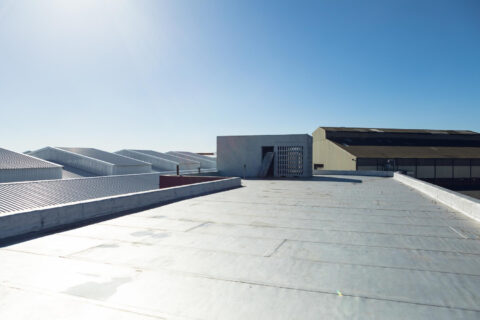
A commercial flat roof replacement is a major building project, but good planning can protect your property, the people inside it, and your…
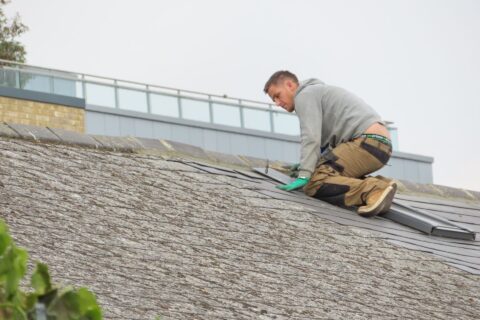
Architectural vs 3-Tab Roof Shingles
Architectural and 3-tab shingles are common residential asphalt options. When comparing roof shingles Ottawa…