
What to Know About Roof Shingles in Ottawa’s Spring Rain
Spring rain always brings new challenges for roofs around Ottawa. By the time snow finally stops and the last layer of frost gives way, many roofs are still holding onto the wear and tear from a long winter. The shingles, which are supposed to keep water out, often don’t show their condition until the rain starts falling.
Roof shingles in Ottawa take on a lot between January and May. Harsh cold, quick temperature changes, and strong winds eventually weaken them, even if they looked fine at the start of the season. What makes spring tricky is that the damage doesn’t always show right away. It builds quietly, and then a stretch of rainy days suddenly turns a small weakness into a leak.
How Spring Weather Affects Roofing Materials
Spring in Ottawa isn’t gentle. Shingles don’t just sit there. They react to everything the season throws at them, sometimes all in one day.
- When temperatures swing between day and night, shingles expand and shrink. Over time, this loosens edges and weakens their hold.
- Wind-driven rain pushes moisture under shingles that aren’t sealed tight. Once underneath, it starts softening the layers below.
- Freeze-thaw cycles can be especially rough. If water sneaks under a cracked or lifted shingle and freezes, it expands. That small crack gets bigger the next time it happens.
This combination of water, wind, and constant change pulls shingles apart slowly. It’s not always dramatic, but by the time the heavier storms roll in during late spring, what seemed like nothing can turn into a real problem.
Signs Your Shingles Aren’t Holding Up in Spring
Some signals are easy to miss unless you’re looking for them. As roofs dry between showers, a closer look can reveal warning signs.
- Curled shingle edges or gritty patches show up as the sun dries things out between storms.
- Missing granules leave dark, bare spots. These areas wear down faster and are more likely to crack under the next rain.
- Water stains in attic corners or dark marks on ceilings after a storm often trace back to a weak point up top.
- When neighbours are getting work done on their roofs, it sometimes means your area got hit hard by the same weather. It’s a good reminder to check your own.
What makes these signs tricky is their timing. They tend to appear during short dry spells and disappear again when it’s wet. That’s why keeping an eye out after each spring rain can really pay off.
Common Issues with Older or Poorly Installed Shingles
Shingle problems don’t always come from age alone. Sometimes it’s how they were put in, or how many short-term fixes were done over the years.
- Older roofs sometimes have weak sealing from when they were first installed. Over time, rain finds its way under loose seams that were never tight to begin with.
- Winter patch jobs get tested quickly in spring. What held for a few weeks of snow doesn’t always stand up to regular rain and strong gusts.
- Valleys, edges, and any place ice sat for too long are sore spots. These areas warp faster and usually leak before anything else.
We notice right away when parts of a shingle layer just don’t seem built to hold up anymore. Spring weather tends to make those flaws worse in a hurry.
Why Professional Inspections Matter This Season
From the ground, most roofs look fine. That’s the problem. By the time the water shows up in your hallway or bedroom ceiling, it’s already moved through layers you can’t see.
- We check for lifted shingles and weak seams that water sneaks under even when the rest of the roof looks solid.
- Wherever two roofing pieces meet, like around pipes or chimneys, we look closely at flashing and sealant. These spots fail early in heavy weather.
- We don’t just look for missing pieces. We check how secure the shingles actually are, how well they’re resisting movement, and whether their surface is still protective or wearing thin.
Getting an expert check near the start of spring gives you time. Time to fix something small before storms make it worse. Time to replace damaged areas before the summer sun makes repairs harder.
Keeping Your Roof Ready Before Summer Storms Hit
Late spring showers are one thing. But we know summer storms bring more wind, more heat, and a lot more rain. Fixing shingle issues now avoids scrambling during the next downpour.
- Roof valleys and edges should be checked and sealed before they face bigger storms. They’re the parts most likely to let water through.
- Any curled or cracked shingles should get replaced while the weather’s dry. Leaving them in place just invites trouble when heavy rain hits.
- Spring is warm enough to do small fixes, dry enough to work safely, and just early enough that the issues we find haven’t spread too far.
The earlier something is handled, the smaller the fix tends to be. With every inspection, we’re aiming to cut off the worst-case outcome before it starts. For homeowners, this means fewer repairs, fewer surprises, and more peace of mind heading into the summer heat.
Spring Shingle Upkeep for Ottawa’s Changing Weather
At Magnum Roofing, we use leading shingles from brands like BP, IKO, and CRC, products made to stand up to Canada’s swings in temperature and rain. Our seasonal checkups look at seams, valleys, and every shingle edge to track down hidden trouble before it spreads deeper inside. We know how fast spring conditions can push old layers past their limit, so we help homeowners plan early repairs or replacements where needed. Winter can be tough on your roof, and even minor shingle issues can lead to costly repairs if left unchecked as Ottawa’s wet spring weather arrives. At Magnum Roof, we’re committed to protecting your home before small problems become major headaches. From patchy edges and loose corners to water marks inside, our team is ready to stop the damage in its tracks. We expertly manage roof shingles in Ottawa and keep your property secure all season long. Reach out to us for your spring inspection today.
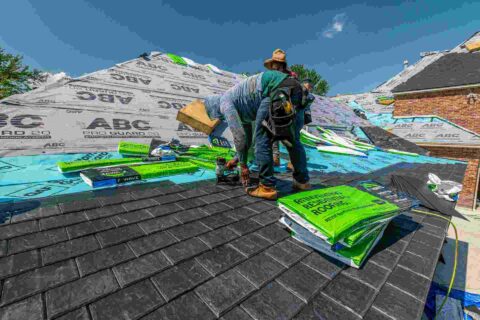
As we reach the end of May, roof issues across Ottawa are easier to spot. Melting snow, rising temperatures, and scattered rains often reveal the…

By late May, most Ottawa roofs have finally dried out from the long freeze-thaw stretch that started back in fall. With all that snow melted and…