
When to Call Flat Roofers in Ottawa for Ice Dams
Ottawa winters are hard on flat roofs. Between heavy snow, freezing rain, and long cold stretches, it doesn’t take much for problems like ice dams to start forming. When they do, they’re not just a surface issue. Left alone, they can lead to leaks, sagging ceilings, or even damage that’s hard to see until it’s too late.
Knowing when to call flat roofers in Ottawa can make a big difference. Timing matters, especially when late winter brings more thaw-freeze cycles. Getting ahead of ice dam issues early can protect your roof before serious damage sets in.
Common Causes of Ice Dams on Flat Roofs
Flat roofs aren’t immune to ice dams, even if they look simpler than sloped ones. These issues usually trace back to how heat and snow interact across your rooftop. When that balance is off, ice trouble starts to build up.
- Poor insulation means warm air escapes through the roof, melting snow unevenly across the surface.
- If ventilation isn’t working right, warmth collects under the roofing material, speeding up melting during the day.
- The melted snow runs to the colder edge of the roof, where it refreezes overnight into thick ice.
- If drainage is slow or blocked, that meltwater pools, freezes, and adds more pressure to the structure.
This constant cycle can stress the roof in ways you might not even notice at first. What looks like a little snow melt can end up collecting into big problems once temperatures swing up and down. The combination of rising sun on one part of the roof and deep, lasting shade on another spot can make the freeze-thaw pattern even tougher. Repeated temperature swings force the materials of the roof to keep shifting and settling as well, which is why small problems can grow quickly in just a week or two of this weather.
Blocked drains from debris, like last fall’s leaves or shingle grit, also allow water to back up. If your flat roof doesn’t shed water easily, that lingering melt can freeze right over top of cracks between layers, eventually forcing its way under the waterproofing barrier. That’s often how a flat roof goes from watertight to suddenly letting water seep inside by the time March arrives. It’s easy to miss this if you haven’t looked at the drainage after a big snowfall or a rapid warm-up.
Spotting Signs That It’s Time to Call a Roofer
We often hear from homeowners who thought they just had a few icicles. Then water starts showing up inside. The earlier you catch the problem, the easier it is to manage.
- Look for heavy strips of ice stuck near the roof edge or large icicles hanging off the side.
- Water stains or damp spots on ceilings, especially near corners or upper walls, can point to an ice issue.
- If you notice cold drafts or peeling paint near upper floors, these could mean heat is escaping where it shouldn’t.
There are a few other clues that trouble may be brewing. Even before water appears inside, you might catch a musty smell in upstairs rooms that stays even when you air out the house. Listen for the subtle sound of dripping water in the walls when outdoor temperatures swing. Check along the line where your flat roof meets the exterior wall. Soft or spongy spots on the ceiling can be the first hint of a leak that started with an ice dam you might not even see from the ground.
A clear sign that you might need flat roofers in Ottawa to take a closer look is the appearance of new cracks in ceiling plaster or the sudden lifting of trim near the top of a wall. That usually means water has found its way somewhere it doesn’t belong, even if you can’t find the exact spot on the roof. These signs don’t always seem urgent at first. But once snow keeps melting and freezing night after night, those little signs can lead to major damage and surprise repairs.
Why Timing Matters in Late Winter
Late February in Ottawa often means a mix of cold mornings and milder afternoons. That’s when ice dams can grow fast, even if you’ve kept up with snow clearing. The warm days turn snow into runoff, then freezing nights lock that water in place.
This is the time of year when problems speed up. Melting snow travels down toward roof drains, but if the exterior edge of the roof is still cold, water freezes and the buildup gets worse every night. Once the ice dam is in place, every sunny afternoon sends more water right back to the same spot, causing a larger pool behind the ice. If too much time passes, that trapped water can push into the layers of your roof. As things keep warming into March, more meltwater means more risk of it leaking inside. What’s worse is that frozen water sometimes hides damage underneath. As it starts to thaw, cracks open up and weak spots get worse without warning.
Roofing problems caused by late-winter ice are especially sneaky because they don’t always leak right away. Sometimes the water gets trapped within insulation or stays hidden between layers. Then, during the next rapid warm-up, it makes its way into the house all at once. That’s why catching these problems now, before the full spring melt, can keep your roof from suffering long-term damage. Signs may seem small on a cold morning but can quickly get bigger and more costly if you wait just a couple of weeks too long.
What Flat Roofers in Ottawa Can Do to Help
Once signs of an ice dam show up, it’s best to let professionals check things over. We’ve seen how home fixes or scraping at the roof can do more harm than good.
- We use safe methods to clear off the ice without damaging roofing material.
- Temporary options might help divert meltwater, but long-term fixes get to the root of the issue.
- After clearing, we’ll often examine flashing, vents, and drainage points to see where ice is forming and why.
- Checking the nearby insulation and attic space can show how heat is escaping and what needs changing.
In Ottawa, flat roofs are built in all shapes and with different surfaces. Some use tar and gravel, some use membranes, and others have unique add-ons or heating cables you might not notice at first glance. When a roofer checks your flat roof, they can see whether your drains are too small for typical snow loads, if a flashing has come loose after a cold snap, or if debris is trapping water. These might sound like simple repairs, but the trick is spotting them in time to avoid more serious leaks.
Professional flat roofers in Ottawa are also careful to look at the big picture. They don’t just clear the ice but also walk through what led up to the issue so it can be stopped from happening again. Sometimes a small tweak to the insulation or a quick repair of an air leak is all it takes. Other times, you might find older roofs need an update so that future winters don’t keep causing the same headaches every year.
Building a More Winter-Ready Roof for Next Year
Once this winter is behind us, that’s the right window to think about what needs adjusting. Ice dams are much easier to prevent than fix during a freeze.
- Improving insulation in key spots helps keep warmth where it belongs, inside your home, not under your shingles.
- Seasonal inspections in late fall can catch signs of bad drainage, loose flashing, or other red flags.
- A well-planned layout for gutters and water flow can reduce the freeze-thaw stress that drives ice dam creation.
Solutions don’t need to be big to have a strong impact. Sometimes patching an area of weak insulation is enough. Other times, cleaning up drains and checking the roof surface in October is all it takes to avoid adding another winter’s worth of water stress. Having a flat roof checked regularly by a pro after the worst of late-winter freeze-thaw is a simple way to stop new ice from turning into next spring’s surprise leak.
If your roof is older, thinking about a new top layer or updating venting could be helpful. A well-installed flat roof should stand up well to Ottawa’s tough winters, but like any part of a home, it needs some care to keep working against another year of heavy snow and unpredictable melts.
Looking ahead past this year’s snow helps you stay one step ahead next winter. You never know when a cold snap will show up late or how many more freeze-and-thaw swings are left in the season. With better insulation and routine checks, you make it much more likely that spring arrives quietly, not with buckets under the drips or musty smells upstairs.
Stay Ahead of Ice Dams Before They Worsen
Ice doesn’t wait to cause problems. A small dam in late February can turn into a leaky roof by mid-March. That’s why acting early counts, especially in a climate like Ottawa’s where winter doesn’t always fade gently.
Calling flat roofers in Ottawa when the first signs of trouble appear can prevent bigger hassles later on. It’s always easier to deal with small issues now than emergency repairs once the spring melt hits full swing. Roofs don’t heal themselves, so staying alert in late winter can make all the difference.
Dealing with the effects of Ottawa’s late-winter freeze-thaw cycles on your flat roof requires prompt attention, and our team at Magnum Roofing is here to help. We bring experience and care to every project, whether it’s assessing ice dam damage or offering solutions that prevent leaks before they start. Timing is important, especially in our unique climate, so when you want support from trusted flat roofers in Ottawa, reach out to Magnum Roofing and let us handle the rest.
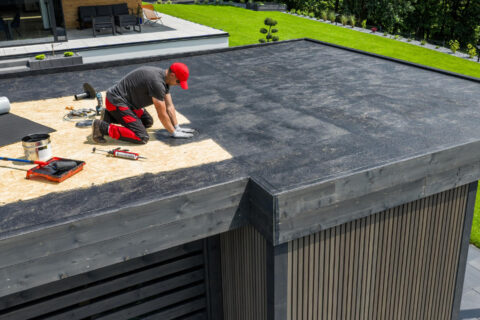
Summer makes things move faster, especially in Ottawa where warm, dry weeks suddenly trigger a rush for repairs and upgrades. Flat roofs are no…

Replacing a flat roof in July makes sense on paper, but not every week in summer gives the right conditions. Planning really matters. With flat roof…