
How Flat Roof Replacement Works in Snow Season
Flat roof replacement during winter comes with its own set of challenges, especially here in Ottawa. Snow doesn’t just fall and melt away, it lingers, packs on heavy, and finds its way into every weak point on an aging roof. By February, many homeowners start to weigh whether another patch job will hold through the season or if it’s time to finally take that bigger step.
This time of year can actually push the decision forward. Hidden leaks, sagging materials, and ice buildup tend to reveal problems that were easier to ignore in the fall. Waiting might feel safer, but when conditions start exposing bigger risks, acting before spring can be the smarter call. That’s where flat roof replacement becomes more of a necessity than an option.
What Makes Winter Roof Work Different
Working on roofs in winter changes everything. The snow, low temperatures, and shorter days all require a bit more planning and patience. In a city like Ottawa, where snow season can stretch into late March, these conditions are more than just an inconvenience, they shape how we approach every job.
- Snow adds weight and makes surfaces slippery, so the first step almost always includes clearing and making the area safe to work on.
- Freezing air makes some roofing materials harder to handle. Adhesives may not bond the same way, and tools need longer start times in the cold.
- Limited daylight shortens the window for active work each day, which spreads projects over more days than it would in warmer months.
This doesn’t mean a flat roof can’t be replaced in the winter. It just means each project takes a bit more flexibility and awareness.
When It’s Time to Replace Instead of Repair
Some signs point clearly to replacement. A patch might buy time in some seasons, but when we hit the freeze-thaw cycles of February, weak spots can widen fast. That’s why we pay attention to the clues.
- If your flat roof has ongoing leaks from different spots, it usually means the surface has aged past its limit.
- A noticeable sag or dip in the surface is another red flag. It might show the structure underneath has been damaged by pooled water or ice.
- If you’ve already had several patch jobs over the past months or years, they may not survive another deep freeze.
This is the season when water sneaks deep into cracks during the day, then freezes and expands overnight. Even small damage has a way of becoming a bigger problem faster than expected.
How Flat Roof Replacement Is Done in Winter
Step one is always the same no matter the season, get the surface ready. In winter, that means carefully removing snow and drying off what’s left behind. We can’t start anything until the area is safe to walk on and moisture has been cleared as best as possible.
From there, the process moves in stages:
1. Tear-off: We strip away the old roofing material layer by layer, checking how deep water has gone and how the roof deck is holding up.
2. Inspection: Before putting on anything new, we check for soft spots, rot, or mould. Winter damage can expose issues that weren’t visible in fall.
3. Installation: Materials are added with cold-weather adjustments. For example, some adhesives or sealants need to be warmed indoors before use. Membranes may need extra care to lay flat and stay secure in the cold.
Doing the job right in winter isn’t about rushing. It’s about staying alert to how materials behave differently when the temperature dips below zero.
Common Delays and How to Plan Around Them
With winter work, delays can happen. Snowstorms, icy mornings, or supplier slowdowns are all common once January rolls into February. While planning helps, flexibility matters just as much.
- Weather delays can push back start dates or pause mid-project. Keeping your roof access free of snow makes things easier when there’s a short break in the weather.
- Permits can take longer too, since some offices are slower during winter months.
- Supply timelines can stretch out if certain roofing materials need to be ordered or weatherproofed in advance.
We’ve learned that having some temporary cover materials onsite can help protect the roof if the weather flips unexpectedly. That kind of ready-for-anything mindset goes a long way in getting through a winter job without too much stress.
Why Timing Still Matters in Late Winter
By mid to late February, we’re at a tipping point. The snow starts to melt more during the day, and leftovers freeze into ice overnight. This melt-freeze process can be rough on older roofs and even worse if there’s already minor damage under the surface.
That’s why February often ends up being the last best chance to move ahead with a flat roof replacement before the spring rush begins. When meltwater finds a crack, it spreads under the surface and can do more harm in a few weeks than a whole season of snow ever did.
Flat roof replacement in late winter lets us get ahead of that curve. It gives enough time to seal everything tight before ongoing thaws and spring rain start testing the structure more. Acting now means your home is better protected when the thawing picks up speed.
Better Winter Choices Keep Spring Repairs Away
Making the decision during winter instead of waiting until spring can sometimes feel like a big commitment, but it often saves time and trouble down the road. A roof that’s made it this far through the cold may be showing signs it won’t see another season without more serious issues.
With the right timing, prep, and decisions, taking care of a roof now can leave fewer headaches when Ottawa’s real thaw kicks in. You avoid rushing repairs when everyone else is competing for help in April or May. Snow season doesn’t have to stall progress, sometimes, it gives us the clearest view of what needs attention. Acting on that can make spring easier before it even arrives.
Upgrade Your Flat Roof Before the Thaw
Our flat roofing services in Ottawa cover everything from membrane replacements to leak repair, and we work with IKO and other top manufacturers so your new roof is built to last. We also offer tailored project scheduling and site protection to keep winter jobs on track, no matter what the weather brings. Snowmelt can reveal hidden leaks or sagging spots that put older roofs at risk, and delaying repairs often leads to costly damage. We offer Ottawa homeowners reliable help with a timely and safe flat roof replacement while cold weather lasts. At Magnum Roofing, we handle winter roof projects with care and the right tools for the season. Reach out today and give your roof the protection it deserves before spring arrives.

Late winter in Ottawa has a way of revealing roofing issues that were hidden earlier in the season. One of the areas where we often see this is with…
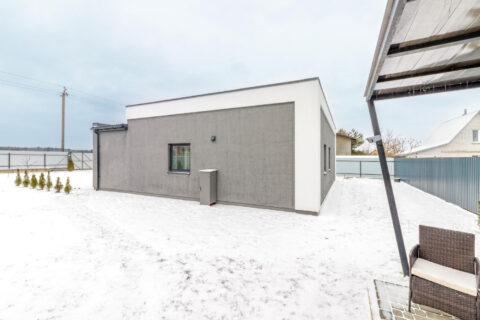
Flat roofs take a lot during a regular Ottawa winter. Snow, sleet, and back-and-forth temperatures all wear on the surface more than many people…